Moving away from the distance metric
I remember when I thought a successful walk was measured by the miles we covered or how much time we spent outside. I would grab the leash from the hook by the back door and try to force a pace that felt productive. Now I see that those walks often left my seniors agitated and restless. I keep the ceramic dog-bone jar by the coffee maker filled, but I have replaced my old obsession with distance for a slower, more deliberate rhythm.
My dogs do not need to prove their fitness to me. If I watch how they settle on the living room rug after we return, I can see if the effort was balanced. Moving away from the distance metric has changed how I hold the entire afternoon.
What the hour after tells me
I remember the week after the storm, when I tried to force a longer route because I thought the movement would burn off the restless energy in the house. I was wrong. The longer walk did not calm anyone; it only left the dogs vibrating with a kind of low-level, physical static. I learned that day that my desire for a tired dog was not the same as a dog who had actually found peace. Now, I watch the hour after we return, looking for the slow, heavy exhale that means the system has finally caught up with the activity.
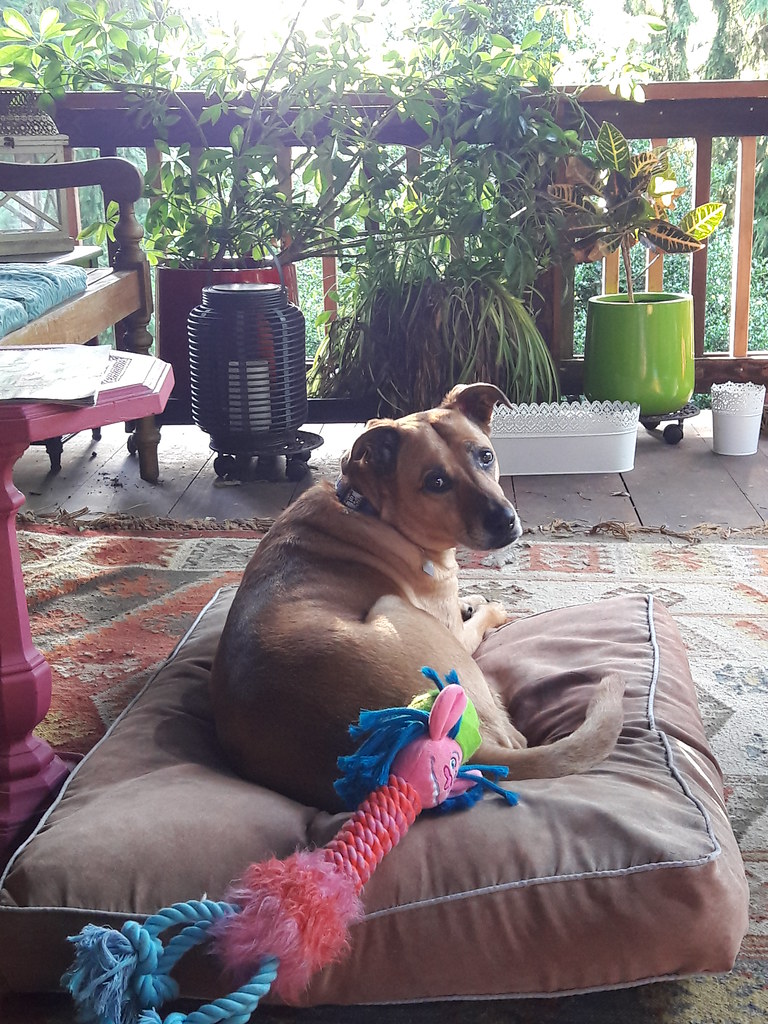
Pickle is the best teacher for this. When we come through the back door, I do not look for a dog who is ready to run again. I look for the way he settles on the kitchen mat, his chin sliding down onto his front paws with a soft, audible sigh. It is a specific kind of stillness that tells me the walk was exactly the right dose for his circulation. If he remains standing or keeps pacing by the pantry door, I know I pushed the threshold too far.
There was a micro-surprise when I started tracking this shift. I expected the younger hound, Walter, to be the one who needed the most recovery time after a brisk morning. Instead, it was the senior cocker spaniel who showed me that his body needed a much slower, more rhythmic pace to feel safe. Watching him drift into a deep nap on the rug runner by the coffee maker is my favorite metric. It is not about how many miles we covered, but about how quiet the kitchen feels when we are finally done.
Designing a walk for circulation
Three weeks ago, I tried to keep our morning routine identical to the years before, thinking that a brisk pace around the block would keep everyone alert. I was wrong. The brisk pace only left Mabel panting and Pickle, my current foster, pacing the length of the rug runner in the hallway with anxious, clicking nails. I expected the movement to help, but it just made their joints stiff and their spirits frantic. I had to stop measuring by the clock and start measuring by the breath.
I started to focus on what I call the sniff-and-pause approach. Now, we walk until the first sign of a lag, then we stop. We stand by the old oak tree or the patch of clover near the driveway. I do not push for distance. I watch for the soft, steady rhythm of their breathing. If Walter, my hound mix, starts to pull, I shorten the leash and we turn back toward the kitchen door. The micro-surprise was how much further they actually traveled when I stopped treating the walk like a race.
- Frequent stops to allow the heart rate to stay in a resting zone
- Short, frequent outings instead of one long, taxing loop
- Walking on grass or dirt instead of the hard sidewalk near my front porch
- Turning around the moment I see a change in their gait
My goal is to keep the circulation moving without triggering the stress that comes from exhaustion. When we get back to the house, I check the hallway rug runner again. If they walk across it with a steady, unhurried gait instead of a frantic scramble, I know the dose of exercise was just right. It is a slower, more deliberate way to live, but it keeps the house feeling peaceful.
The importance of the slow return
Last Tuesday morning, I tried to rush our return walk by taking the shortcut through the alleyway, but it only made Pickle pace by the back door for twenty minutes. I expected the extra movement to tire him out, yet it created a restless energy that did not belong in the house. I learned that the transition from outside to inside matters more than the distance we covered. Now, I watch the afternoon light on the kitchen floor as we enter, ensuring we move slowly enough to let the heart rate settle before we reach the rug runner.
If I see Walter sniffing the corner of the pantry or Mabel pausing by her water bowl, I stop until they are ready to move again. It is not about reaching the destination. It is about the quality of the stillness we carry inside when the leash finally hits the hook. A walk that leaves them settled is a walk that respects their current rhythm, making the house feel much more readable for the rest of the day.
Finding the middle ground
I used to think a long walk was a badge of honor, but now I prefer the quiet rhythm of a shorter loop. When I hang the leash back on the hook by the door, I look for the way Mabel settles onto the rug runner. If she finds her spot and relaxes her jaw, I know we found the right balance for her circulation. It is not about how far we went, but how she feels when the front door clicks shut.
The goal is a dog who is ready to nap in the sun by the radiator, not one who is pacing the kitchen floor. A walk that leaves them settled is a walk that respects their age. It is a much more ordinary, readable way to live.
What the walk looks like from start to finish
We do not launch. That is step one. I let the leash go on quietly, open the door without any hype, and give my dog a minute to orient before we commit to direction. That first calm minute tells me a lot. If she looks uncertain right away, I know the walk needs to stay extremely simple.
The middle of the walk is mostly about rhythm. We move, pause, sniff, move again. I pick routes with fewer sensory collisions and less awkward footing. I would rather do a shorter loop with good posture and easy curiosity than a longer loop that leaves her mentally scattered by the time we reach the driveway.
The final part is the part I trust most: recovery. How quickly does she settle after water? Does she look pleasantly exercised or vaguely overdrawn? Does the rest of the morning stay smooth? Those answers matter more to me than any walk summary I could give another person.
What I avoid on purpose
- busy times of day if the neighborhood is noisy
- stretching the route just because the weather is nice
- stacking errands onto the walk
- letting my own guilt decide the distance
A supportive walk should help a dog feel more at home in her body, not less. That has become my whole rule.