The moments that did not seem like anything at all
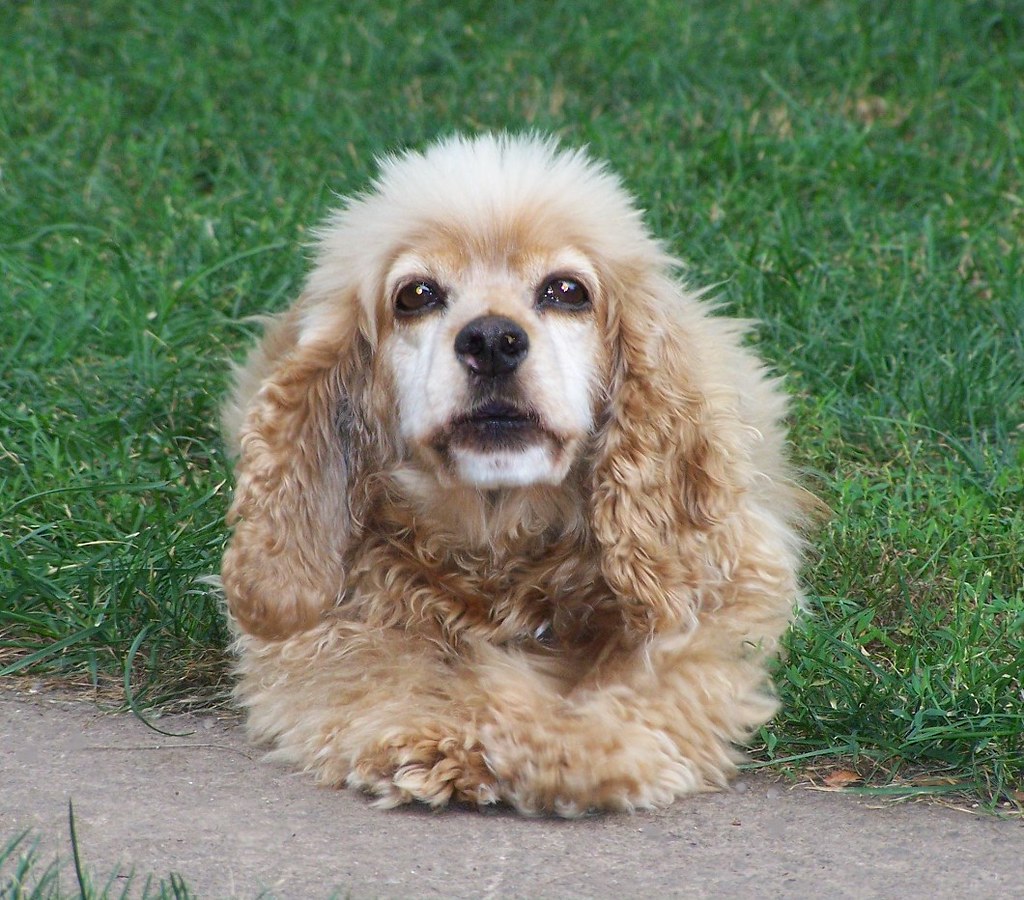
The kitchen was quiet, save for the rhythmic hum of the coffee maker heating the water. I reached for the ceramic dog-bone jar by the coffee maker to get a treat for the foster who lives with us now. Near the back door, I watched my senior dog standing by the glass as if she were waiting for a door that had already been opened. She did not whine. She did not pace. She simply stood in that rectangle of morning sun, frozen in a way that felt entirely ordinary at the time.

I felt no urgency then. I just poured my coffee and went about my day, thinking she was merely watching the squirrels. I did not realize that her stillness was a language I was failing to translate. It was just a dog in the sun, until the day it was not.
Why I chose to look away
I kept telling myself that the foster was just adjusting to the new floor plan in the kitchen. Three weeks ago, when he bumped into the corner of the pantry, I convinced myself it was merely a lack of focus. I thought moving his water bowl to the center of the room would help him navigate, but it only made him pace the hallway until his claws clicked against the hardwood. I wanted the explanation to be simple, so I ignored the way he stood still for minutes facing the back door.
It is easy to look away when the alternative feels like a different version of your dog. I opened the notebook I keep on the kitchen counter and wrote down his meal times, but I left out the part about him losing his way in the living room. I expected him to be restless and agitated; the micro-surprise was that he was the opposite. He was quiet, almost unnervingly so, and I mistook that silence for contentment. I was the lady who writes everything down, yet I found myself skimming over the entries that did not match the version of a healthy senior dog I held in my head. I chose to see a tired boy instead of a dog who was starting to lose his map of our home.
What the pattern actually looked like
I started keeping a small notebook on the counter near the coffee maker just to track the frequency of these tiny pauses. Three weeks ago, I tried to map out the timing of the pacing, thinking that a structured schedule would show me a clear trigger. I thought a strict routine would settle the confusion, but it only made the anxiety more apparent when the clock ticked past the expected window. The notebook became a messy collection of scribbles that did not look like a medical record at all.
I expected the pacing to be tied to the evening hours when the house is quiet, but I was wrong. The micro-surprise was how often the confusion happened in the middle of the morning, right when the sun hit the rug runner in the hallway. My senior dog would stop mid-stride, staring at the wall as if she had forgotten the point of the trip. She looked polite about it, standing there with her head tilted, waiting for the hallway to make sense again. It was not a grand collapse or a loud event. It was just a quiet, readable moment of disconnect that I had spent months trying to ignore. I simply wrote the time down and moved on.
The stories I told myself to feel better
I remember the week after the storm, I spent hours watching the foster pace the kitchen floor. The sound of his nails on the tile had a frantic, rhythmic quality that I tried to ignore. I told myself he was just excited about the change in barometric pressure. I moved his water bowl to the hallway, thinking a quieter location would settle his nerves, but he only seemed more confused by the new spot. It was a failed experiment that left him standing in the middle of the kitchen, looking at the baseboards as if they held an answer I could not provide.
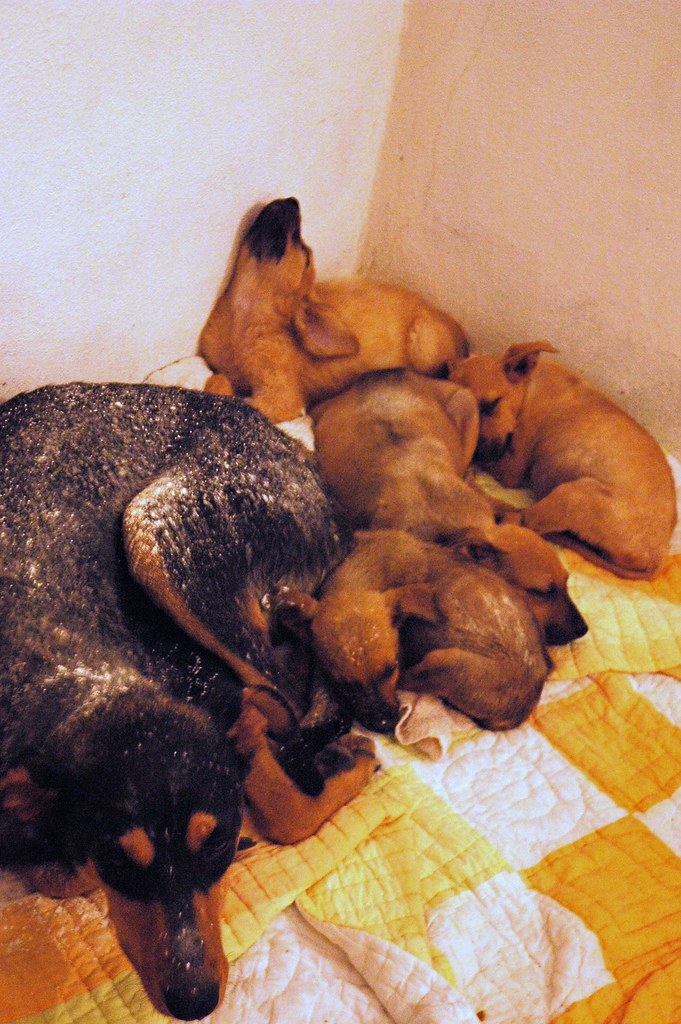
I expected him to be restless in the evenings, but I was surprised when he suddenly collapsed into a deep, heavy sleep by the radiator instead of his usual spot. It felt like a relief, but it was just another shift in his behavior that I was not yet ready to name. I had spent so much time convincing myself that he was simply adjusting to a new house that I missed the way his movements were becoming less intentional. I was not looking for a pattern; I was looking for a reason to keep the world exactly as it had been the day before.
How I hold the house now
I remember that Tuesday morning when I tried to move the water bowl closer to the radiator in the hallway, thinking the warmth would make my senior dog more comfortable. It was a mistake. She spent ten minutes pacing around the empty mat, looking confused by the shift in her internal map. I thought I was helping, but I only added a layer of unnecessary friction to her day. I moved it back to the kitchen corner immediately, and the relief in her posture was instant.
The micro-surprise of it all is how much she prefers the boring, predictable version of our floor plan. I expected her to need new things, or more things, but she really just needs the same things in the same places. Now, I keep the rug runner in the hallway straight and the leash hook by the back door at the exact height she expects. The hound mix who lives with us and the foster seem to appreciate the steadiness too, even if they are not the ones who need the extra help. Holding the house together is not about finding the perfect solution. It is about keeping the path clear enough that she does not have to think about where her feet are landing. It is ordinary, quiet work, and it is enough.
A quieter way of watching
I walk past the radiator where my senior dog sleeps and notice the way her breathing has settled into a rhythm that feels almost invisible. It is a small thing, but it changes how I move through the kitchen. I do not look for the big, dramatic shifts anymore. Instead, I watch the way she rests her chin on the rug runner or how she waits for me to open the back door.
There is a middle ground between panic and denial that I had to find for myself. It is not about fixing what is happening. It is about being present for the ordinary, quiet moments that make up our days. I keep my notebook on the counter, but I use it less. The house feels softer now.
The signs that felt too ordinary to count
One of the earliest ones was hesitation around the food bowl, but not in the way people usually mean. She was still hungry. She still wanted breakfast. She would just walk into the kitchen, stop in the middle of the room, and need one extra beat to locate something that had not moved. It sounds microscopic written down. Living with it felt different. It felt like the room had become fractionally harder for her to read.
Another one was what I call "unfinished errands." She would head toward the hallway with real purpose, then stop halfway there and look almost embarrassed, like the original thought had slipped through a crack. Those moments mattered because they did not fit the old version of her. She had always been direct. Suddenly I was watching a dog who still wanted the same things but lost the thread more often on the way to them.
After dark, the little signs got louder. A shadow near the chair leg seemed to bother her more. A familiar corner felt less automatic. I started noticing how much of canine confidence is really environmental fluency. When a dog knows the map, everything looks easy. When the map feels fuzzy, the whole house becomes slightly more expensive to move through.
How I sort random quirks from repeating clues now
- I ask whether the same behavior has shown up in more than one room.
- I ask whether it happens more often when the day has been stimulating.
- I ask whether familiar routines still feel smooth or suddenly need extra cueing.
- I write down whether the dog looked sleepy, uncomfortable, or simply momentarily lost.
That little sorting process is why I still send people toward my senior-dog watch list. Weird little signs are not useless because they are small. They are useful because they show up while life is still ordinary enough for you to learn from them.