
When the familiar becomes a question
I used to assume that any change in my senior dog was simply a matter of joints getting stiff or energy levels dipping. I kept my ceramic dog-bone jar by the coffee maker filled with treats, and I waited for the usual signs—a bit more napping, perhaps a slower rise from the rug runner in the hallway. It seemed like a straightforward calculation of time and wear. That was before I started paying attention to the way Mabel pauses at the threshold of the back door, staring into the yard as if the grass has suddenly become a foreign language.
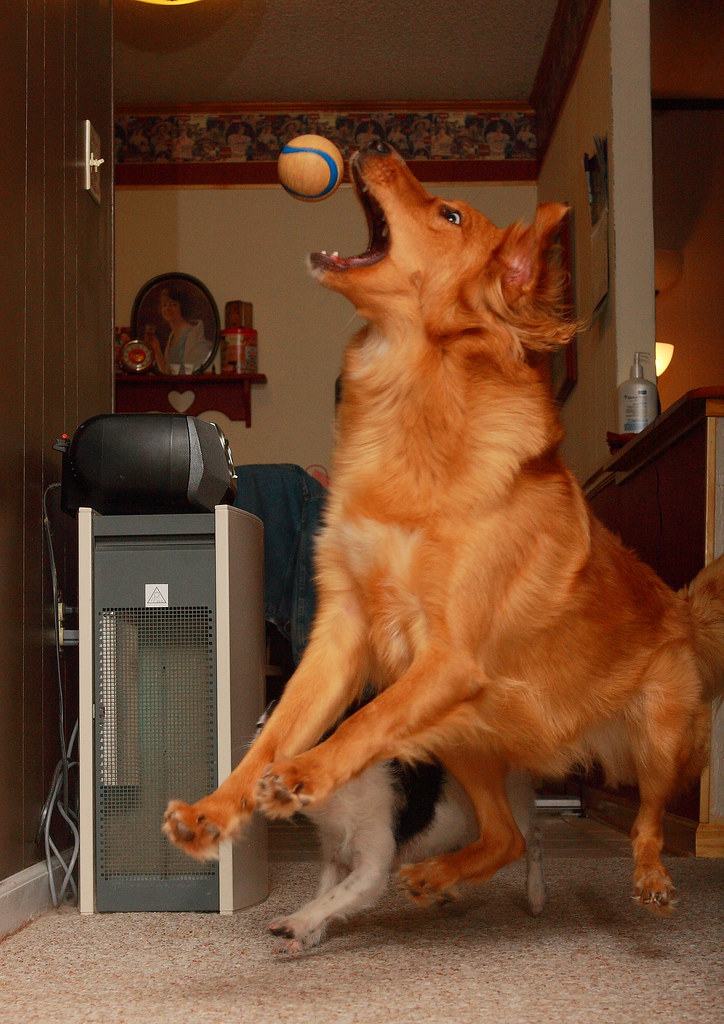
When Walter trots past her to reach his water bowl, he does not even glance at the door frame; he simply moves through the house with a map in his head that remains entirely reliable. The difference in their movement is not about speed or strength. It is about whether the world feels predictable. Watching the foster dog currently sleeping near the radiator makes me realize that I have been relying on a very vague definition of aging. I need to get better at separating the physical reality of a tired body from the internal shift of a brain that is trying to navigate a once-familiar kitchen pantry or a hallway corner that no longer makes sense.
Looking for the difference in the routine
Three weeks ago, I tried to convince myself that the way Mabel stood staring at the corner of the pantry was just a quirk of her getting older. I assumed if I just called her name or moved her bowl, the confusion would vanish. That did not work at all. She continued to look at the wall as if she had forgotten why she walked into the kitchen in the first place, while Walter simply waited by the back door for his afternoon turn outside.
It was a micro-surprise to see how different they were in that moment. I expected her to be restless or frantic, but she was entirely still, almost peaceful in her vacancy. That is when I started to see the line. Standard senior slowing is usually about physical capacity, like when the hound mix hesitates before jumping onto the sofa. Cognitive decline, however, looks like a break in the map of the house.
I started watching how they navigated the rug runner in the hallway. When Walter walks it, he moves with a clear goal, usually toward the kitchen or the bedroom. When Mabel walks it, she sometimes stops in the middle, staring at the floorboards as if the hallway has suddenly become a foreign country. It is not that she is tired. She is lost in a place she has known for years.
The distinction matters because it changes how I provide support. If she is just slow, I offer a ramp or extra time. If she has lost the thread of where she is, I need to make the environment more readable. I started leaving a small lamp on near the rug runner to keep the shadows from shifting, which helps her find her way back to the kitchen. It is not a cure, but it is a way to keep her world from shrinking.
The research I keep coming back to
I used to think that a dog forgetting a doorway was just a sign of poor vision or a stubborn mood. Last spring, I tried rearranging the rug runner in the hallway to see if a different texture would help, but it just caused more hesitation. I spent weeks assuming that if a dog could still find the food bowl, his brain was working exactly as it should. I was looking for the wrong kind of evidence.
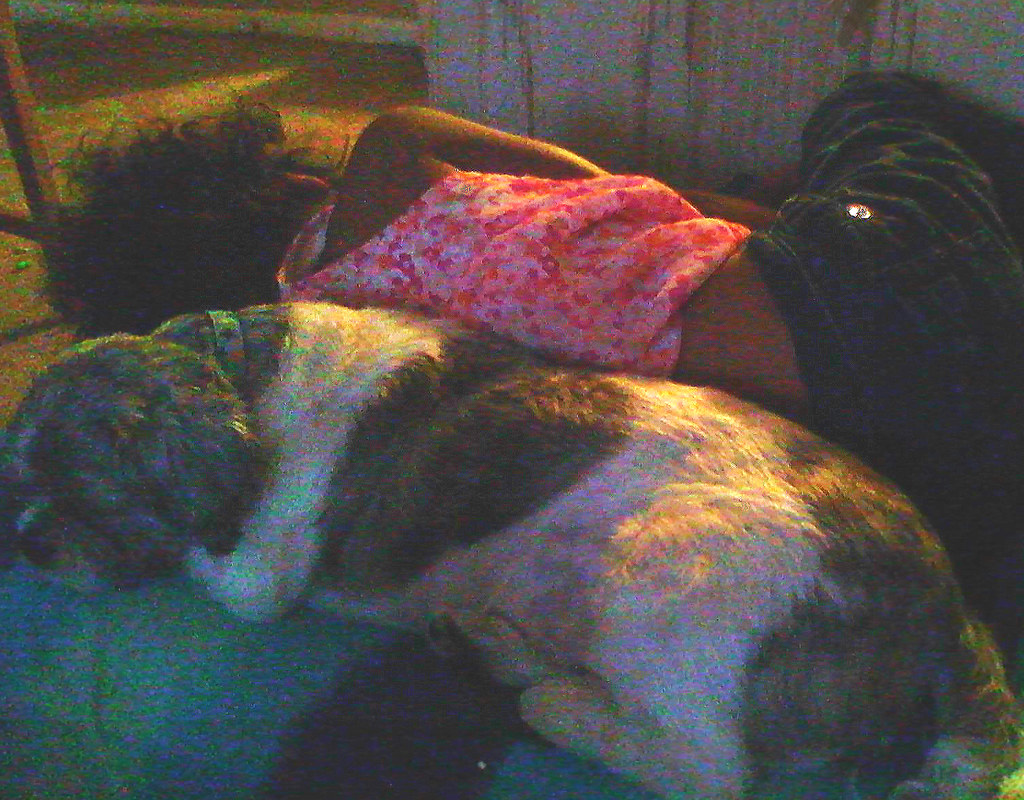
The micro-surprise came when I watched the foster dog currently living with us navigate the pantry area. I expected him to be as lost as the other seniors I have fostered, but he found his bed with ease. He sleeps near the pantry now, a spot he chose himself, and he never seems to look for the door in the wrong place. The contrast between his sharp navigation and the way my own senior sometimes pauses in the center of the kitchen floor is what stays with me.
When I look at the research, it mentions how these shifts are not a moral failing or a sign of laziness. It is a physical change in how the brain links a memory to a physical space like a coffee maker or a leash hook. I stopped asking if the dog was being difficult and started asking if the house was still making sense to him. That shift in my notebook changed everything.
How I hold the middle ground now
Last Tuesday morning, I tried to introduce a new puzzle toy to the foster dog on the rug runner in the hallway, thinking a bit of extra mental stimulation would help him settle. I expected him to be curious, but he simply stood there and stared at the wall for five minutes. It was a stark reminder that what works for a younger dog can sometimes be too much for a senior who is already managing his own internal confusion. I had to put the toy back in the pantry and just sit with him quietly instead.
The kitchen counter is where I keep my notebook, and that is where I often go to compare what I see against what I suspect. I used to think that every moment of hesitation was a sign of a failing mind, but I have learned to look for the patterns instead. If Mabel pauses by the back door because she hears a squirrel, that is just life. If she pauses because she has forgotten why she walked to the door in the first place, that is a different kind of observation. I watch for those small, repetitive breaks in the rhythm of our day. It is not about catching a failure; it is about keeping the environment readable enough that she does not have to work so hard to navigate her own home.
A quieter way to watch
I keep my notebook on the kitchen counter, right next to the ceramic dog-bone jar. When I see Mabel pause in the hallway or watch the foster dog circle the rug runner without settling, I do not jump to a conclusion. I simply write down the time and the movement. This habit does not fix the confusion, but it makes the day feel less like a blurry, frantic mystery. I am not looking for a label to slap onto my senior dogs. I am looking for the small, readable shifts in how they navigate the kitchen floor or find their way to the back door. It is a slower way to live, but it keeps my own mind steady. Watching is just a quieter, more respectful way to stay present.
How I think about the difference at home
Normal aging, in my experience, often looks like a dog doing the same things more slowly or with a little more stiffness. She still knows the route, still wants the routine, still moves through familiar spaces with a recognizable map. The tempo changes, but the orientation mostly stays intact.
What worried me more was not slowness. It was mismatch. Standing at the wrong place and waiting. Entering a room and losing the point halfway through. Looking more unsettled by dusk than by a long walk. Those are not just "older body" cues to me. Those are "familiar world feels less simple than it used to" cues.
That is why I try not to reduce everything to age alone. Aging and cognitive change can overlap. A dog can be stiff and also confused. Sleepier and also less oriented. Once I accepted that overlap, I got much more precise about what I was actually seeing.
At the same time, the clinical literature is very clear that other problems can imitate cognitive decline. That tension matters. Respect the signs, but do not romanticize guessing. Observe carefully, then rule things in and out with real veterinary help.
My shorthand comparison
- Aging: slower stairs. Disorientation: forgetting which doorway solves the problem.
- Aging: taking longer to rise. Disorientation: seeming unsure what came next in a familiar sequence.
- Aging: shorter tolerance for long outings. Disorientation: more confusion after normal levels of stimulation.
- Aging: deeper naps. Disorientation: more unsettled or pacing behavior at the wrong times.
I find this comparison useful because it keeps me from minimizing confusion just because an older dog is also obviously old. Age can explain plenty. It does not automatically explain everything.
The room-by-room test I use in my own head
One shortcut I use at home is asking whether the dog still knows the "why" of the space. The kitchen means food and water. The back door means outside. The bed corner means settling. Normal aging can make those actions slower, stiffer, or less enthusiastic. Cognitive change is what makes the meaning of the place itself seem fuzzier.
That simple question has helped me sort a lot of messy moments. If she is moving slowly but clearly toward the right answer, I think body first. If she seems momentarily unconvinced by places that used to be obvious, I think harder about orientation, sensory input, and cognition.
It is still not a diagnostic test. It is just a cleaner way of observing what kind of difficulty I am looking at. For me, cleaner observation is half the battle.