
The first ten minutes
I do not believe in loud arrivals for a new rescue dog. I prefer a quiet entry, where the only sound is the rhythmic click of paws on the hallway runner as we move from the front door to the kitchen. My own dogs, Mabel and Walter, are calm, and that energy is the first thing I offer to a senior like Pickle. He stopped near the ceramic dog-bone jar by the coffee maker, sniffed once, and then looked at me. It was not a demand for attention. It was a question about the safety of this new space.
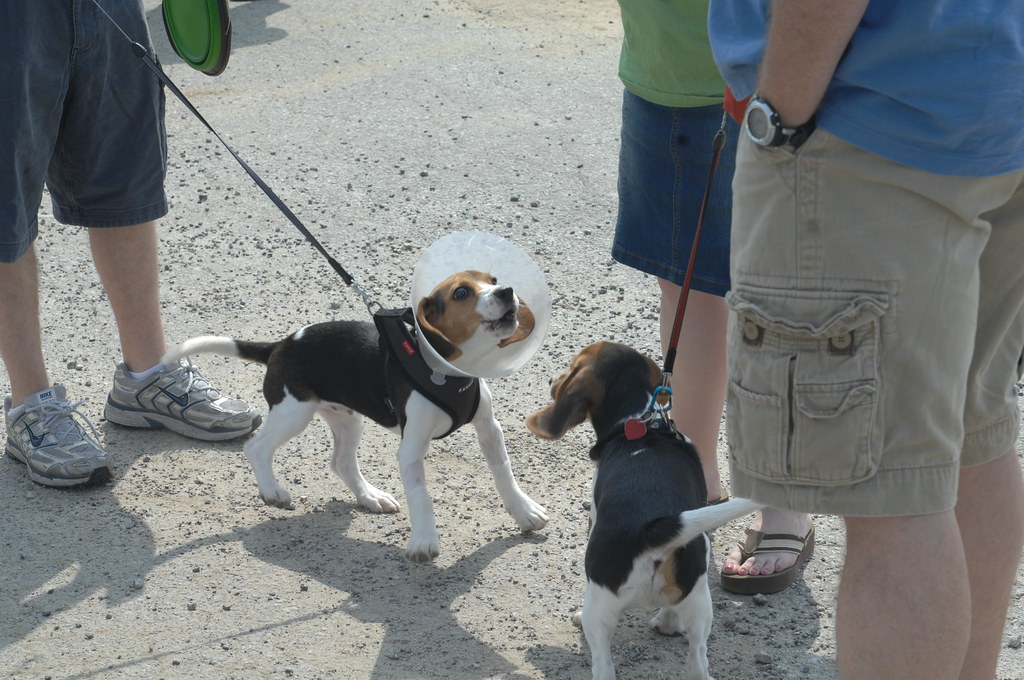
I stood by the kitchen counter, letting him choose his own pace for exploring the floor. The first ten minutes are not for training. They are for presence.

Building a readable space
I tried setting up a fancy crate in the hallway for Pickle when he arrived last Thursday, thinking the quiet would help him settle. I was wrong. He paced until he was shaking, his nails clicking against the wood floor, and he would not stop until I moved his bed into the center of the kitchen. I expected him to be restless, but he was the opposite once he could see the pantry and the back door from his rug. The thing that actually helped was nothing I had read about in the shelter manuals.
I keep the leash hook by the door stocked with a specific harness that is easy to pull over a senior head without catching on ears. It is not about the gear; it is about the speed of the transition. When I see him standing by the back door, I want the process to be so quiet that he does not have time to worry about what comes next.
- A spare slip-lead hanging near the kitchen pantry for quick trips.
- The same ceramic bowl placed exactly three inches from the wall.
- A low-light lamp near the floor to guide his path at night.
- A consistent routine for the back door latch.
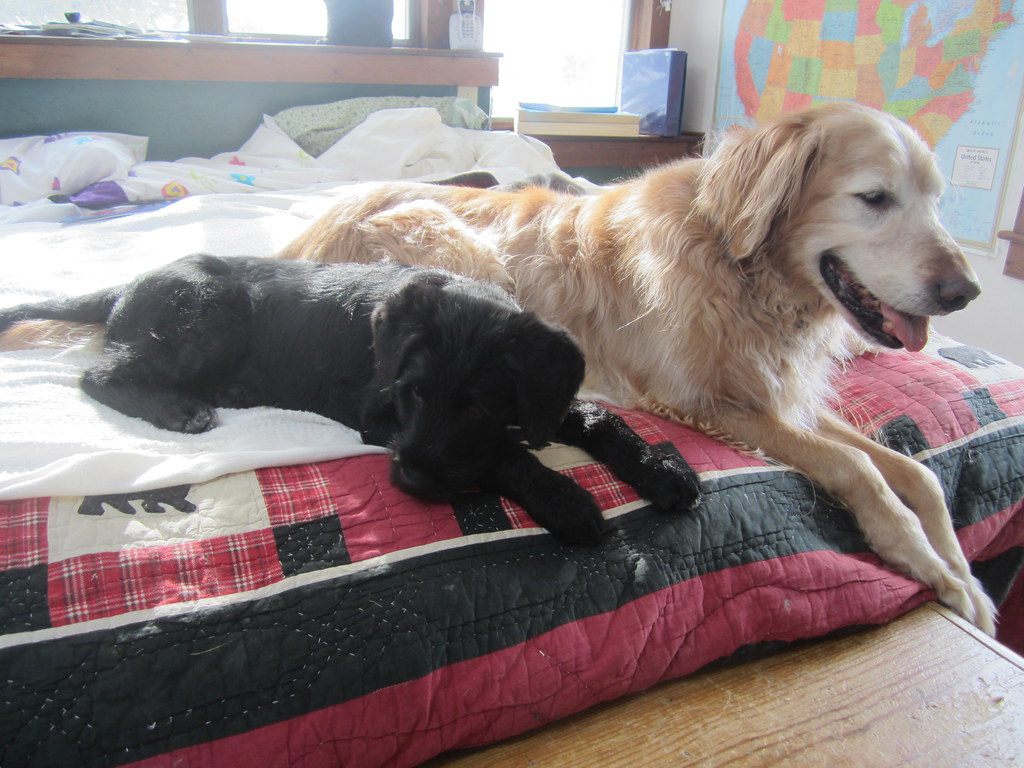
I found that the less I adjust the room, the more he trusts the floor beneath him. If I move the fruit bowl or shift the rug runner, he stops and stares, waiting for the space to make sense again. I do not change the furniture anymore. I leave the kitchen exactly as he expects it to be, because he is a senior who has seen enough change for one lifetime.
What the silence allows
I remember that Tuesday morning when Pickle first arrived, I thought a large, open-plan crate would help him feel less confined, but it only made him pace the kitchen floor until his nails clicked a frantic rhythm against the hardwood. I had tried to give him the whole room to survey, yet the lack of boundaries seemed to amplify his confusion. I moved the crate into the quiet corner by the pantry and covered three sides with a heavy wool blanket to create a den. The change was immediate. He stopped pacing and finally let out a long, shuddering breath that told me he was ready to sleep.
The micro-surprise was how quickly he claimed that space as his own sanctuary. I expected him to be restless and needing constant reassurance, but he was the opposite; he retreated to the crate whenever the house felt too large or the morning light hitting the rug runner became too bright. It turns out that silence is a language of its own. By limiting his view of the kitchen counter and the back door, I gave him the luxury of not having to monitor everything.
I keep my notebook on the radiator cover near the crate so I can jot down his shifts in posture without moving too much. It is a slow way to live, but it is the only way to learn what a new dog needs before they can tell you themselves. He is steadier now, and the house feels quieter, which is exactly the architecture he required.
A quieter welcome
Pickle has started to find the rhythm of our hallway. He spends his afternoons on the rug runner, watching the way the light shifts across the floorboards. When he hears me move toward the kitchen, he does not scramble or panic. He simply lifts his head, waits for the sound of the dog bowl hitting the mat, and then moves at his own pace. It is a small shift, but it feels like a victory of sorts. He is learning that the house does not hold surprises for him, only the predictable sequence of meals and naps.
I watch him from the chair by the lamp, my notebook open on my lap. There is no need for grand gestures or constant reassurance. The best thing I can offer a new senior is the boring, steady consistency of a house that stays the same. Walter is currently asleep near the back door, his breathing deep and rhythmic, providing a quiet anchor for the new dog to follow. Mabel is tucked into her corner, content to let the new guest exist in his own space. We are not performing a rescue; we are simply living in a way that makes the world feel smaller and safer. A quiet house is a respectful house, and that is ordinary.
Day one through day three
The first three days are about gentleness and predictability for me. I show the dog the same small set of spaces over and over instead of offering the entire house like a timeshare presentation. Water, bed, outside spot, food, rest. That is the rhythm. I keep voices low, choices limited, and expectations almost embarrassingly small.
I do not worry about the dog "seeing everything" right away. In fact, I think showing everything too soon often creates more confusion than comfort. Most dogs settle faster when the map is tiny at first. Once that tiny map feels safe, you can expand it without turning every room into another question they have to solve.
Day four through day seven
By the middle of the week I start looking for the dog’s natural cadence. When does she seem brightest? When does she get tired? Does she recover well after a walk or look frayed? That information tells me whether we should keep the routine exactly as-is or open it up a little. I want the dog to succeed at home before I ask her to perform home.
- repeat the same potty path and door
- keep feeding and bedtime cues in the same order
- save visitors for later if the dog looks at all overloaded
- let rest count as progress
A calm first week is not boring to me. It is respectful. It tells a dog, "You do not have to decode this whole life in one sitting."