
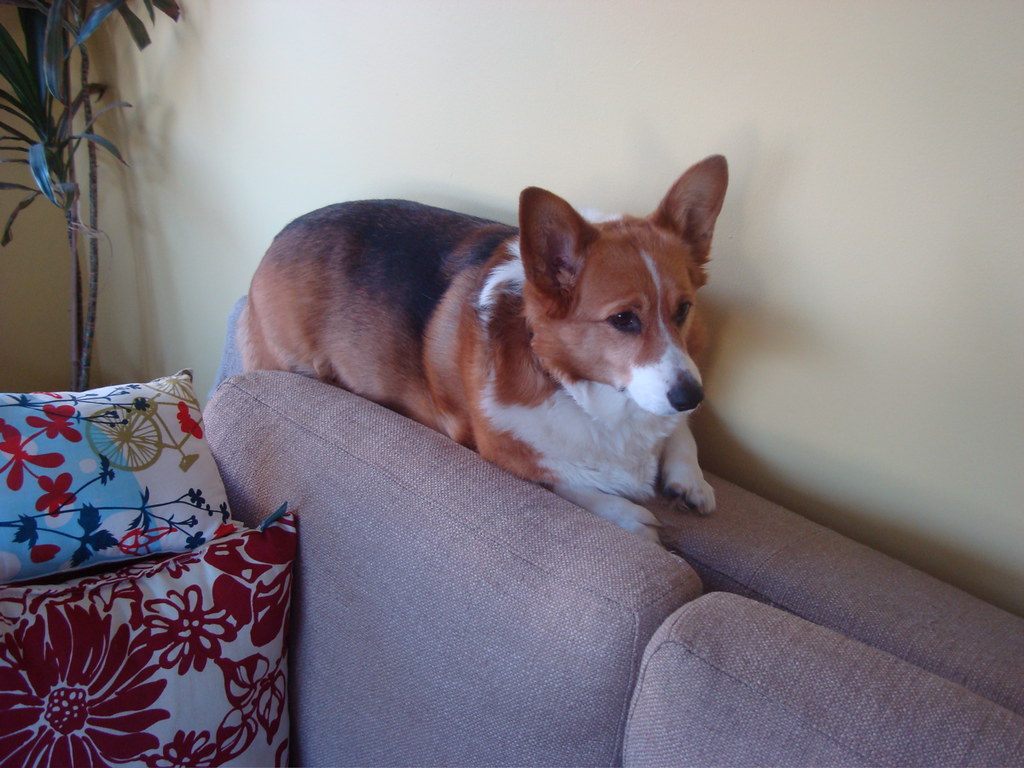
The sound of nails clicking on the hardwood is familiar, but the rhythm changes when the house grows dark. I listen from the chair by the lamp, watching how the motion moves from the kitchen toward the back door. It is not a purposeful walk. It lacks the directed energy of a dog who needs to step outside. Instead, it is a slow, methodical navigation of the floor space, as if the hallway rug runner has become a track that must be completed.
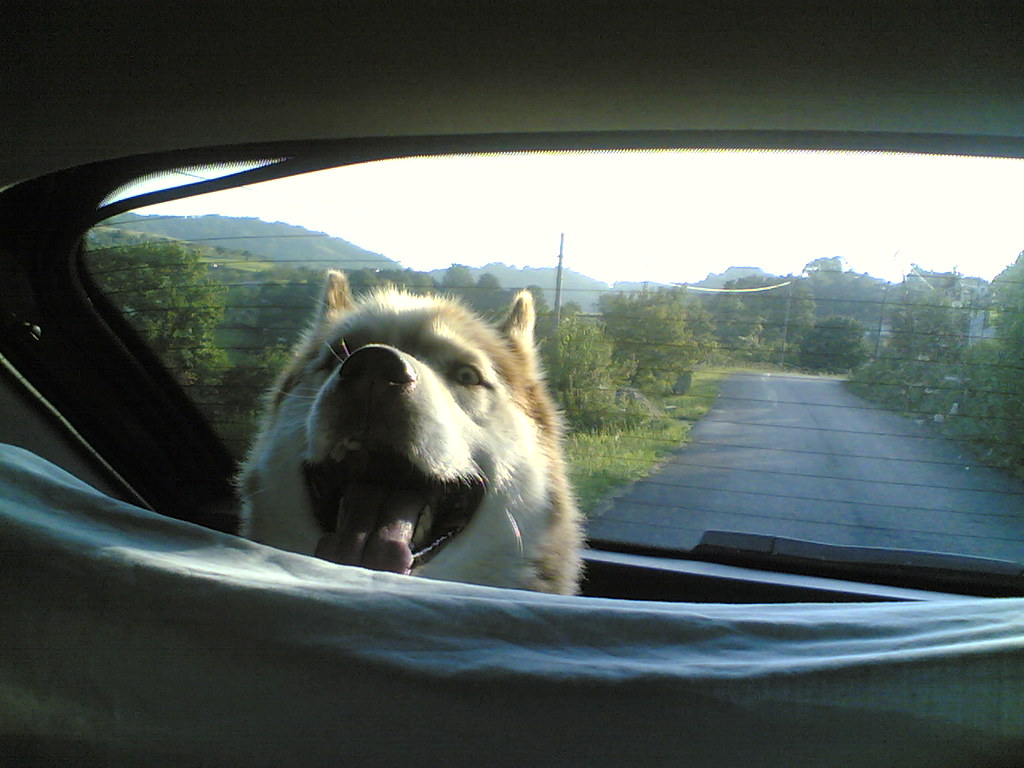
I find myself sitting with the notebook open, waiting for the pause. When Mabel stops near the pantry, she does not look at the door or the food bowls. She looks at the corner of the room, her expression neutral. It is the same look the foster I had last spring had when he drifted through the living room at two in the morning. I am learning that these moments do not suggest a single problem. They are a stack of quiet, overlapping needs that demand a different kind of observation. I do not have the answer yet, but I am starting to see the patterns that weave these long, restless hours together.
What the pacing actually tells me
Three weeks ago, I found myself sitting on the floor by the radiator in the hallway, watching the current foster walk the same small circle between the pantry and the back door. My first instinct was to assume he was simply thirsty or perhaps needed to go outside. I tried letting him out into the yard, but he stood on the grass for a moment and then walked right back inside to resume his path. I even tried offering him a bit of water in his bowl, which he ignored. That attempt to fix it with a single action did not work at all. It only made the pacing feel more frantic because I was projecting my own urgency onto his quiet, repetitive movement.
In my notebook, I started to track the stack of factors that seem to lead into these hours. I realized that the pacing is not a random event. It is the result of a few things happening at once. If the foster has had a particularly loud afternoon with the vacuum running or if the light in the kitchen has shifted too quickly as the sun goes down, the pacing becomes more likely. I expected him to be restless because he was in pain, but the micro-surprise was that he seemed to be pacing to soothe himself against the sensory input of the house. He was not looking for an exit; he was looking for a rhythm that he could control.

I now look at the pacing as a sum of parts. There is the physical fatigue, the sensory load of the living room, and the way the shadows stretch across the rug runner near the coffee maker. When I see him start that slow, rhythmic walk, I do not look for one thing to fix. I look at the stack. I dim the lamp by my reading chair, I clear the hallway of obstacles, and I keep the environment as boring as possible. This approach does not stop every instance of pacing, but it makes the house feel more readable for him, and that is a much kinder way to exist in the middle of the night.
The danger of the single explanation
Three weeks ago, I watched the hallway pacing and decided the culprit was simply hunger. I filled the bowl near the radiator, expecting the kitchen to go quiet, but the pacing continued until the sun came up. I tried changing the timing of the last meal, but that only made the restlessness start an hour earlier. My first explanation was too small. I was looking for a single cause when I should have been looking at the stack of factors.

I stood by the ceramic dog-bone jar by the coffee maker while the house hummed with that rhythmic movement. My instinct was to find a reason that felt tidy, like a clock that just needed winding. I wanted to believe that if I adjusted one variable, the pacing would stop. The micro-surprise was that the pacing did not look like distress at all; it looked like a search for a place that no longer felt comfortable.
When I stopped trying to solve the pacing as a single problem, I began to see the environment differently. I started noticing how the rug runner near the pantry bunched up, or how the light from the street lamp hit the floor at two in the morning. Each small detail was a piece of the puzzle. I had to learn that the pacing was not the event itself, but a symptom of a larger, more complex state of being.
How I manage the stack
Three weeks ago, I tried leaving the overhead kitchen light on to see if it would settle the pacing, but it only made the shadows sharper and the confusion more pronounced. I had assumed that more light would provide better orientation, yet the result was a dog who looked more agitated than before. Now, I prefer the soft, warm glow of the lamp by my reading chair, which stays on until I head to bed. It creates a consistent boundary for the room that feels much more manageable.
I watch the way Mabel moves through the kitchen when she is restless, and I look for the physical cues that precede the pacing. If she is circling the pantry door, I check her water bowl first. If she is hovering by the back door, I consider the temperature or the chance that she needs a quick trip outside. The micro-surprise is how often she is not actually hungry or thirsty, but simply needs to feel the rug runner under her paws to reorient herself in the dark. I do not look for one single cause anymore. I look for the stack of small, quiet needs that, when addressed together, make the night feel a little more ordinary.
I do not think a home observer needs to become a diagnostician. I do think we can become more respectful of context when Mabel or Walter or the foster wanders the hallway at three in the morning. Watching the stack of factors is how I keep my own nerves steady, making the night feel ordinary and readable.
What the notebook showed me
Night pacing did not announce itself as a pattern right away. It arrived one odd evening at a time. But once the notebook had three or four nearly identical descriptions in it, I could not keep calling it random. It happened more often after late stimulation, more often when dinner and bedtime drifted later, and more often when the day had already asked a lot from her.
That mattered because it gave me leverage. A pattern means there are conditions around the behavior, and conditions can often be softened. I changed timing, light, and expectations around evening. I stopped pretending a busy night should be harmless just because the dog had technically gotten through it.
The pacing did not disappear overnight, but it became more understandable. To me, that was a huge improvement. Understanding is what lets you build support instead of just bracing for the next repeat.