

My routine is not about perfection. It is about catching the small shifts before they become a mountain. I used to keep my notes in a chaotic pile, but now I keep a dedicated notebook next to the ceramic dog-bone jar by the coffee maker. Mabel and Walter seem to appreciate the rhythm, and even the senior cocker spaniel currently sharing our floor has started to find his own pace in the kitchen.
I keep the leash hook by the back door as a physical reminder to stop. When the house feels loud, I look at that hook and I choose to breathe instead of worry. I have learned that a calmer approach creates a better evening for all of us.
What the two weeks looked like
Three weeks ago, I decided to simplify the evening routine for Mabel, Walter, and my current foster. I initially thought that adding a long, complex scent-work game in the kitchen would tire them out before bed. That was a mistake. Instead of settling, the activity left them buzzing with extra energy, and the foster spent an hour pacing on the rug runner in the hallway while Mabel stared at the pantry door. It was the opposite of the calm I wanted.
I shifted my approach the next evening. I cleared the kitchen floor of all toys and dimmed the lamp by my reading chair, turning the space into a quiet zone. Instead of a game, I sat on the floor with a notebook and simply read aloud in a low voice. The micro-surprise was how quickly the pacing stopped. The foster, who usually struggles to find a comfortable spot, curled up near the radiator after only five minutes of silence.
My routine now looks like this:
- Dimming the kitchen lights to avoid harsh glare
- Checking the water bowl to ensure it is full
- Closing the back door to block outside noise
- Sitting on the floor until the dogs are asleep
This consistency has been helpful for all three of them. By removing the pressure to perform or play, I found that the dogs naturally drifted toward their beds. The hallway rug runner is now a place for naps rather than a track for anxious pacing. It is a quieter, slower way to end the day, and for a senior dog, that quiet seems to be exactly what he needs to feel safe.
Why boring consistency works
I tried adding extra mental stimulation to the evening routine three weeks ago, thinking the foster needed more activity to tire him out before bed. I bought a set of complex puzzle feeders and hid treats all over the kitchen rug runner. It was a mistake. Instead of settling down, he became anxious, pacing the hallway and whining at the back door until long after midnight. It was the opposite of what I wanted for my senior foster.
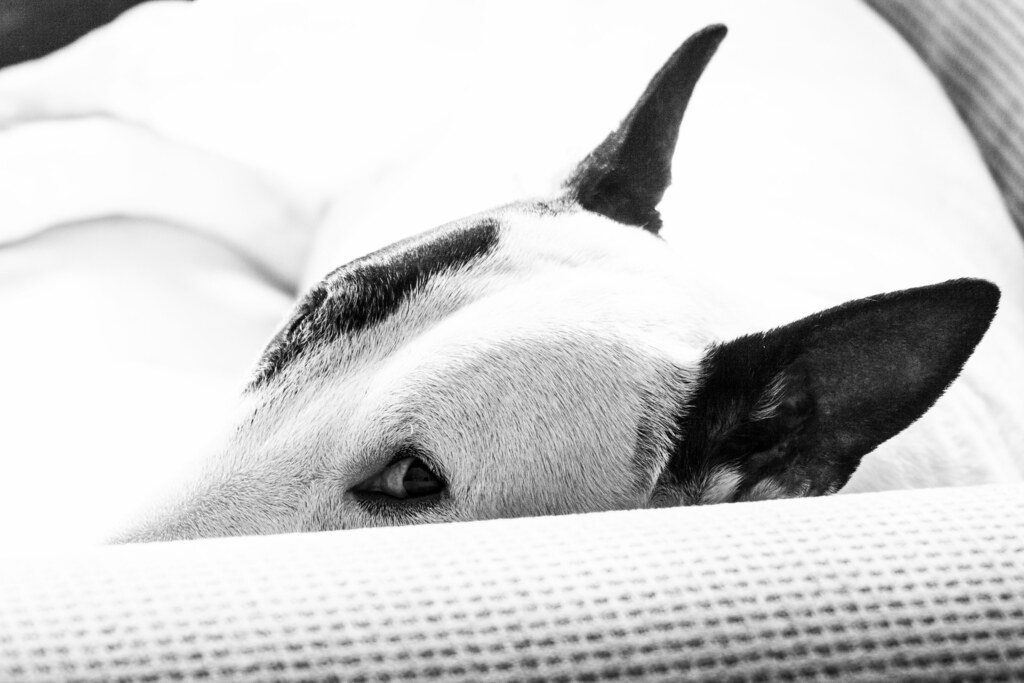
The micro-surprise was how quickly he calmed down once I stopped the extra tasks and returned to our quiet, predictable rhythm. I expected him to miss the engagement, but he seemed relieved to simply exist in the soft light of the lamp by my reading chair. Mabel and Walter were already asleep on the floor nearby, and soon he just curled up against the radiator in the corner, finally drifting off.
My notebook now reflects this shift toward the ordinary. I do not worry about keeping them busy anymore. I worry about keeping the environment readable. I focus on the small, repetitive signals that tell a senior dog they are safe. A dimmed light, a familiar bowl in the same spot, and the quiet sound of the house settling for the night. That is the infrastructure of a good evening. It is not glamorous, but it is reliable, and for a dog like my foster, it is the only thing that helps.
A quieter way to watch
I keep my notebook on the kitchen counter, right beside the ceramic bowl where I toss my keys. It has become a habit to open it while the kettle whistles for my evening tea. Watching Mabel and Walter and the foster navigate the hallway as the light fades has changed the texture of my nights. I do not look for big shifts anymore. I look for the way the foster finds his favorite rug runner, or how Mabel pauses by the pantry door to check if the world is still exactly where she left it.
This process is not about fixing anything. It is about being present for the small, ordinary movements that make up a senior dog household. When I see Walter nudge the back door with his nose, I do not panic about his restlessness. I see a dog who is comfortable enough to ask for a change of scenery. My notebook is full of these tiny, boring observations, and that is exactly how I want it. The house feels calmer when I stop trying to interpret every sigh as a crisis. I just watch, I write it down, and I let the evening be ordinary.