My house often feels like a graveyard for expensive rubber puzzles that Mabel and Walter decided were not worth the effort. I look at the ceramic dog-bone jar by the coffee maker and remember the days when I thought a challenge was supposed to be difficult. I wanted them to work for their snacks, but I did not realize how quickly a senior dog stops playing when the goal feels unreachable. Now, I watch them on the rug runner in the hallway, where they prefer to spend their afternoons napping.
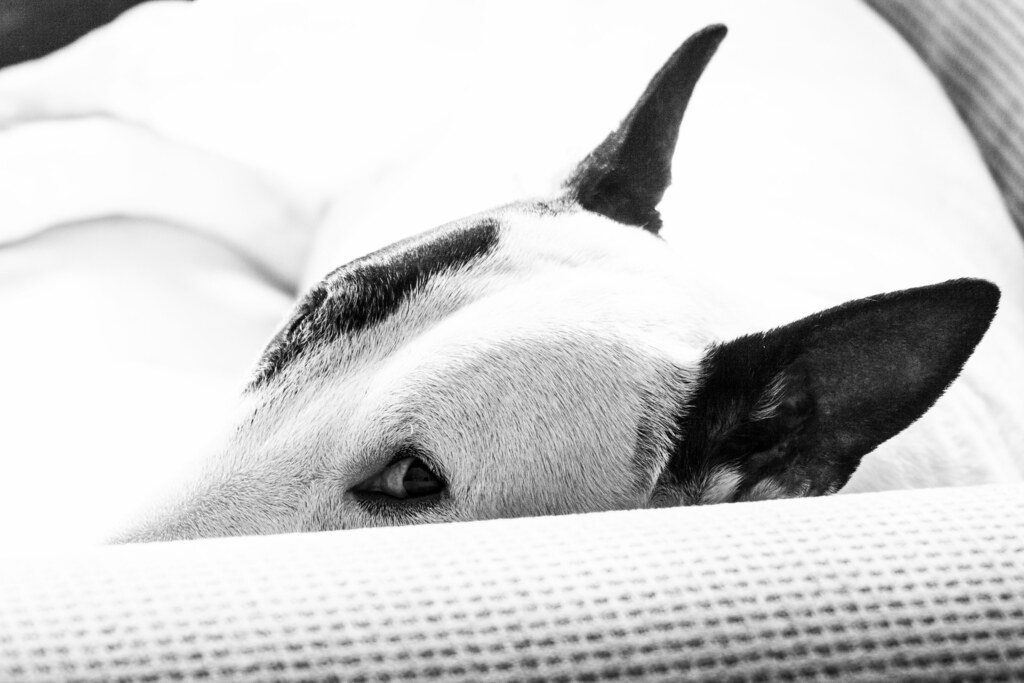
Pickle, the senior cocker spaniel currently living with us, has a gentle way of letting me know when he is over something. If a toy is too tight or the treat is stuck in a crevice he cannot reach, he simply walks away. He does not protest, he just moves to the kitchen floor and looks at me with those soft, tired eyes. I started to see that my goal was not to make them work, but to make their day feel predictable and rewarding. I keep the complicated things tucked in the pantry now, and I only bring out the pieces that let them succeed.

What makes a toy readable
Last Tuesday morning, I watched Pickle navigate the kitchen floor. I had tried a complex, multi-layered puzzle toy that promised to keep him occupied for an hour, but it only served to frustrate him until he walked away and left it in the middle of the rug runner. The sound of his nails on the kitchen floor as he paced back and forth told me he was not finding any success. He needed something that required movement but did not demand a high level of problem-solving. I moved that complicated plastic contraption to the pantry and replaced it with a simple, heavy-duty rubber mat that allows him to nuzzle treats out of shallow grooves.
Mabel has her own way of evaluating these things. She does not rush. She pauses before she engages with a toy, standing over it for a long moment as if she is reading a map. I expected her to be restless with the simple mat, but she was the opposite. She spent ten minutes quietly working through the grooves, her tail moving in a slow, steady rhythm. The micro-surprise was how much more she relaxed when the challenge was low enough that she could win every time.
The toys that actually stay on the rug are the ones that do not force a dog to guess where the reward is hidden. I look for designs where the treats are visible or easily accessible. If I have to help her, it is not a puzzle; it is just a chore for both of us. The best ones are the ones that allow for a long, slow session of licking or nudging while she lies on the rug by the reading chair. It is a quiet, predictable activity that keeps her engaged without the pressure of a performance.
Finding the middle ground
Three weeks ago, I tried a complex puzzle toy that required Mabel to slide three separate wooden panels in a specific sequence to reach a treat. I thought it would provide a good mental workout, but it only resulted in her standing by the leash hook by the back door, looking confused and slightly distressed. She did not want the treat badly enough to navigate the frustration, and the toy ended up pushed under the radiator. It was a failure of design because the steps were too abstract for her current needs.
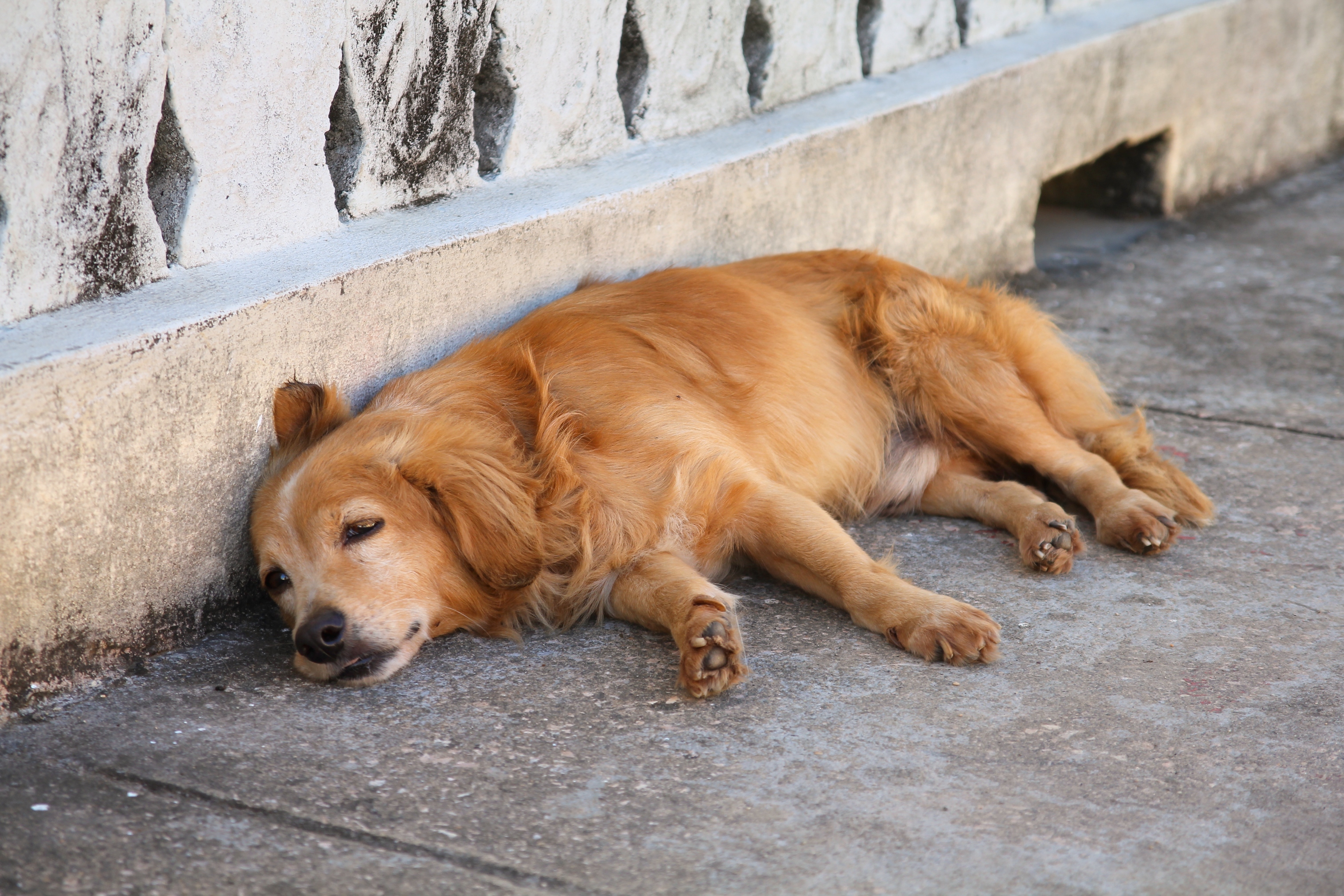
I expected Pickle to be restless when I brought out a much simpler rubber mat instead, but he was the opposite. He spent twenty minutes licking the peanut butter from the grooves, his tail moving in a slow, steady rhythm against the floorboards. Watching him, I realized that the best tools do not require a roadmap. They just require a surface that stays put and a task that is achievable within a single sitting.
My notebook now contains a list of features that make a toy readable for my senior crew.
- Heavy rubber bases that do not skid across the kitchen floor.
- Soft silicone mats that stay flat on the rug runner.
- Shallow grooves that do not trap a nose or tongue.
- Stationary designs that do not require complex paw-eye coordination.
- Visible rewards that do not require sliding or lifting panels.
If the toy moves when they nudge it, the frustration level climbs, and the engagement ends. Keeping the task grounded and stationary is the only way to keep the experience calm.
The quietest success
I watch the rug runner in the hallway for a few minutes while the kettle heats up. It is a quiet ritual. When I see the hound mix nudge a simple mat with his nose, or watch the terrier mix settle into a rhythm with a familiar rubber toy, I feel a sense of relief. There is no frantic pawing or pacing. The house feels settled. My notebook sits on the kitchen counter, ready for the next observation, but for now, I just watch the floor.
The goal is not to keep them busy for hours. The goal is to provide a small, manageable task that fits into our evening routine before the lights go low. If the toy stays on the rug and the dog stays calm, I consider that a success. It is a small, ordinary victory that makes the evening feel a little more predictable for everyone. A quieter routine is often the most respectful one I can offer.
The toys that keep earning a spot
Soft lick mats are still my most reliable option because they slow things down without making the dog feel tested. Snuffle mats come next, especially for dogs who enjoy sniffing but get tired of more complicated mechanical toys. I also love towel games because they cost almost nothing and can be made easier or harder depending on the dog in front of you.
The toys I donate fastest are the ones that make a dog stall out. If I can see that puzzled-frustrated look by minute two, the toy is gone. Older dogs do not need enrichment that makes them feel wrong. They need enrichment that keeps their interest alive while preserving success.
That is also why I prefer short sessions. A good puzzle is one the dog leaves feeling bright and finished, not one that becomes a drawn-out project because I wanted to feel clever.
My quiet test is simple: would I do this again tomorrow with the same dog? If the answer is no, it was not a keeper.